Learning
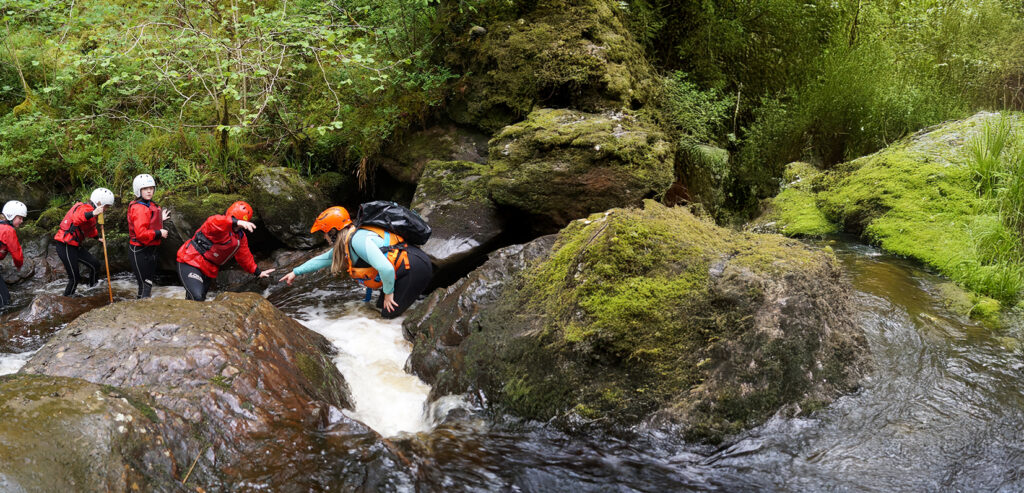
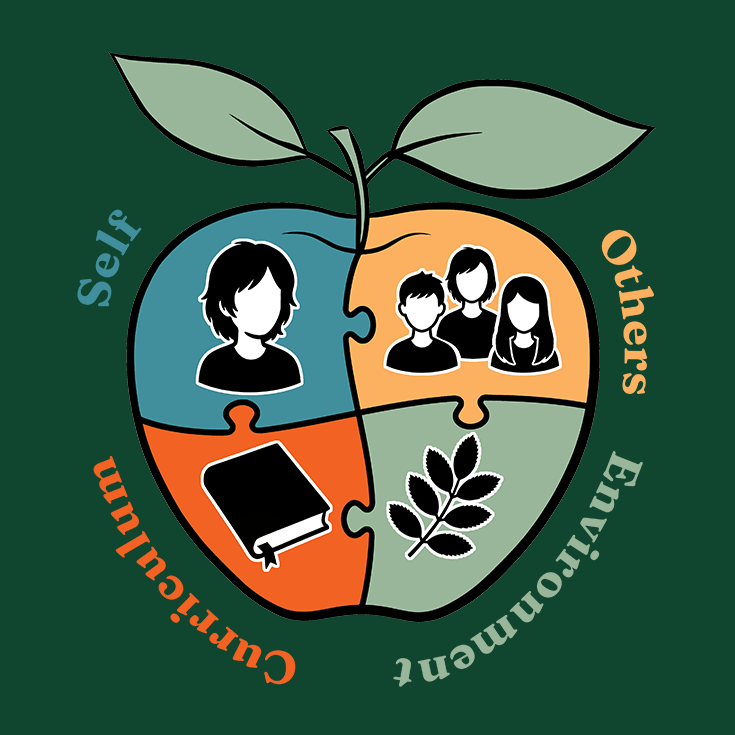
Scottish Outdoor Education Centres is often referred to by its abbreviation, "SOEC" — which doubles as our learning model. Self, Others, Environment and Curriculum are the four pillars our programmes are built around. Every activity we run is chosen because it offers genuine opportunities across all four.
Scottish Outdoor Education Centres is often referred to by its abbreviation, "SOEC" — which doubles as our learning model. Self, Others, Environment and Curriculum are the four pillars our programmes are built around. Every activity we run is chosen because it offers genuine opportunities across all four.


Self
· Confidence · Resilience · Courage · Perseverance ·
· Leadership · Independence · Self-Belief · Self-Awareness ·
· Leadership · Independence · Self-Belief · Self-Awareness ·
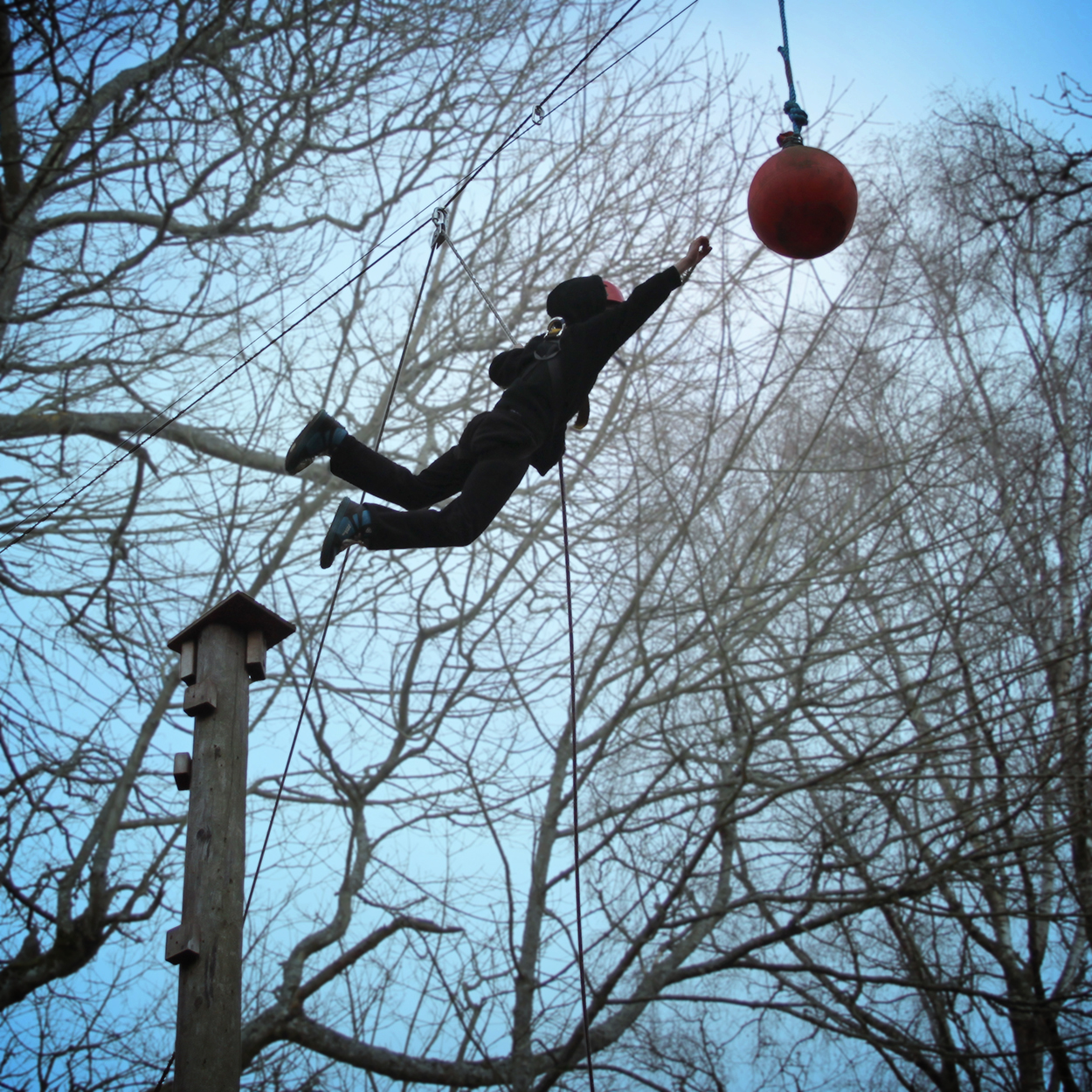
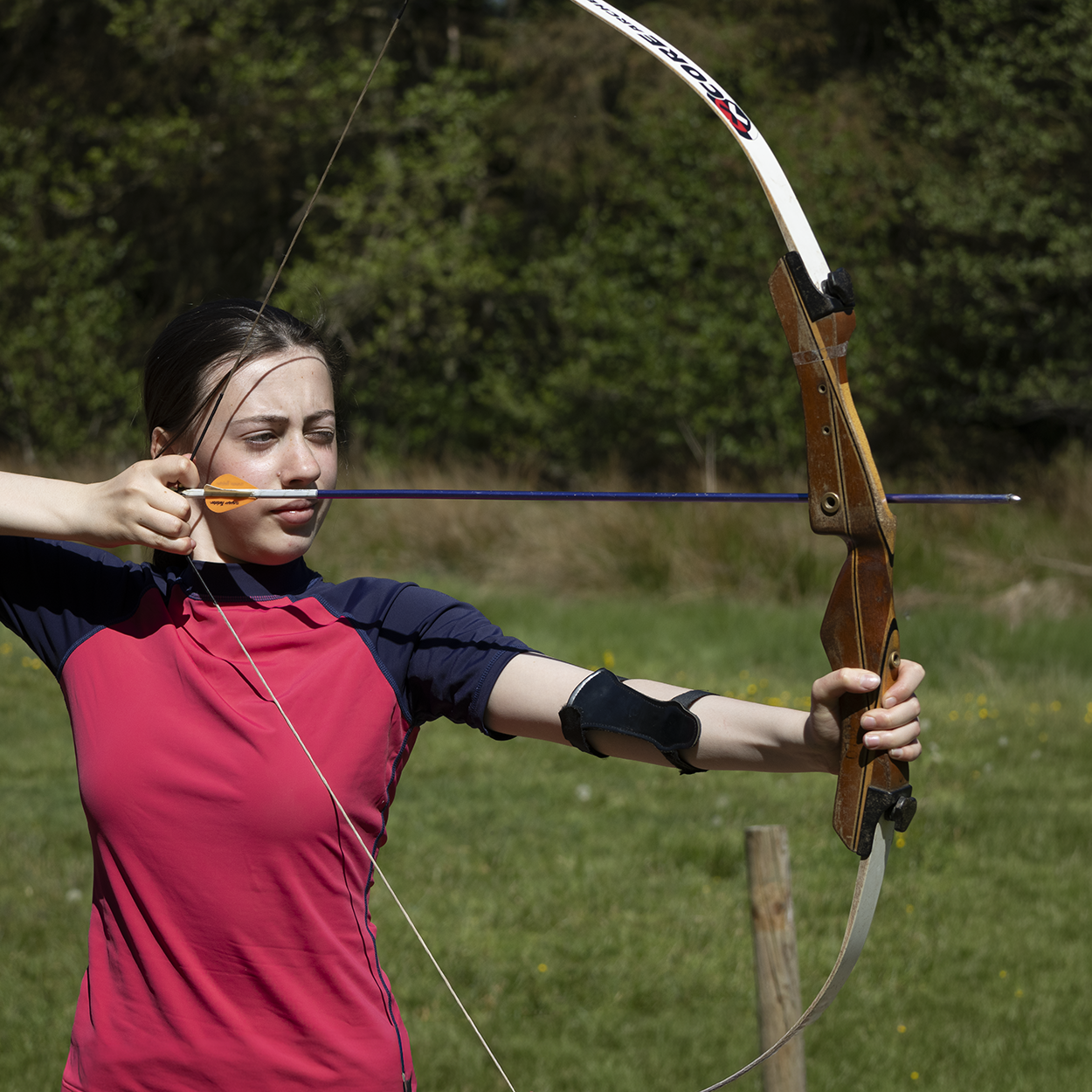
The activities we provide at SOEC are designed to offer you extraordinary opportunities for personal growth. You either make the leap or you don't, the arrow either hits the target or it doesn't, your bright idea either works or it does not. This kind of undeniable, immediate feedback builds real confidence, resilience, courage and leadership — qualities that grow through doing hard things and finding out what you're actually capable of.
A landmark review of 96 studies, published in the Review of Educational Research, found that outdoor adventure programmes consistently improved young people's self-belief, independence and leadership, with stronger effects the longer the programme ran. A separate UK study tracking pupils more than a year after a residential trip found the same gains in confidence and independence were still visible back in the classroom.

Curriculum
· Curriculum · Community · Creed · Craft · Curiosity · Curveball ·
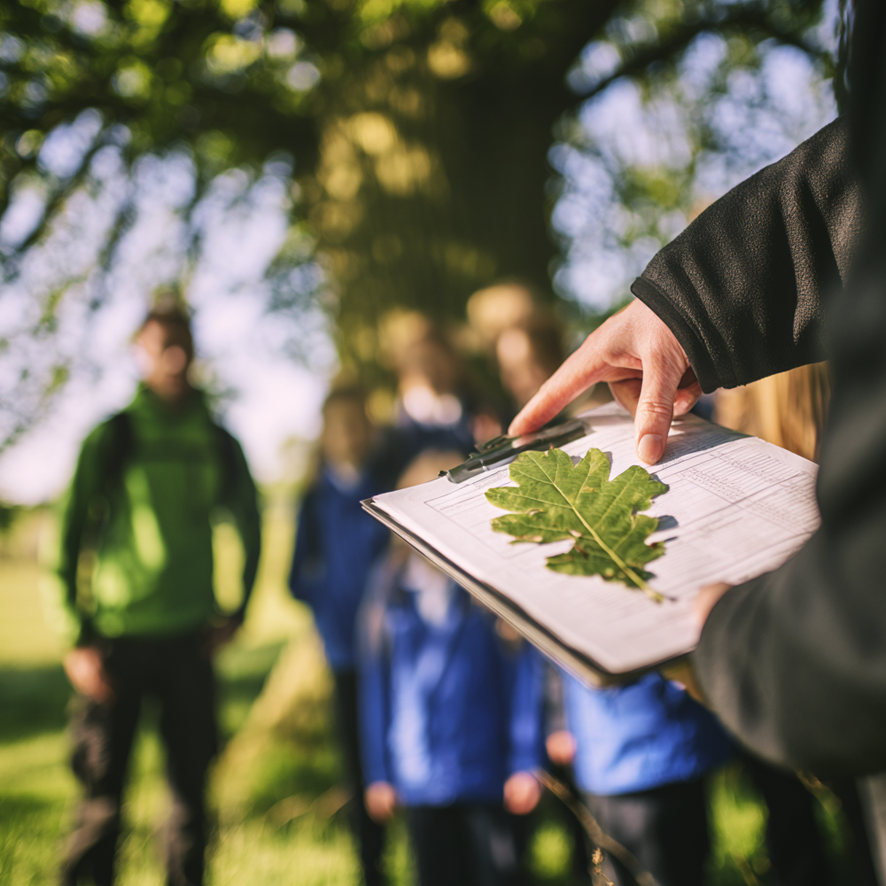
The first three learning pillars — Self, Others and Environment — are what we live and breathe every day at SOEC and we find them to be important to all our visitors, whatever their background or purpose. The ‘C’ in our model leaves space for one of two things - Curriculum: learning the particular group wants to focus on and/or a Curveball: learning that none of us planned or expected.
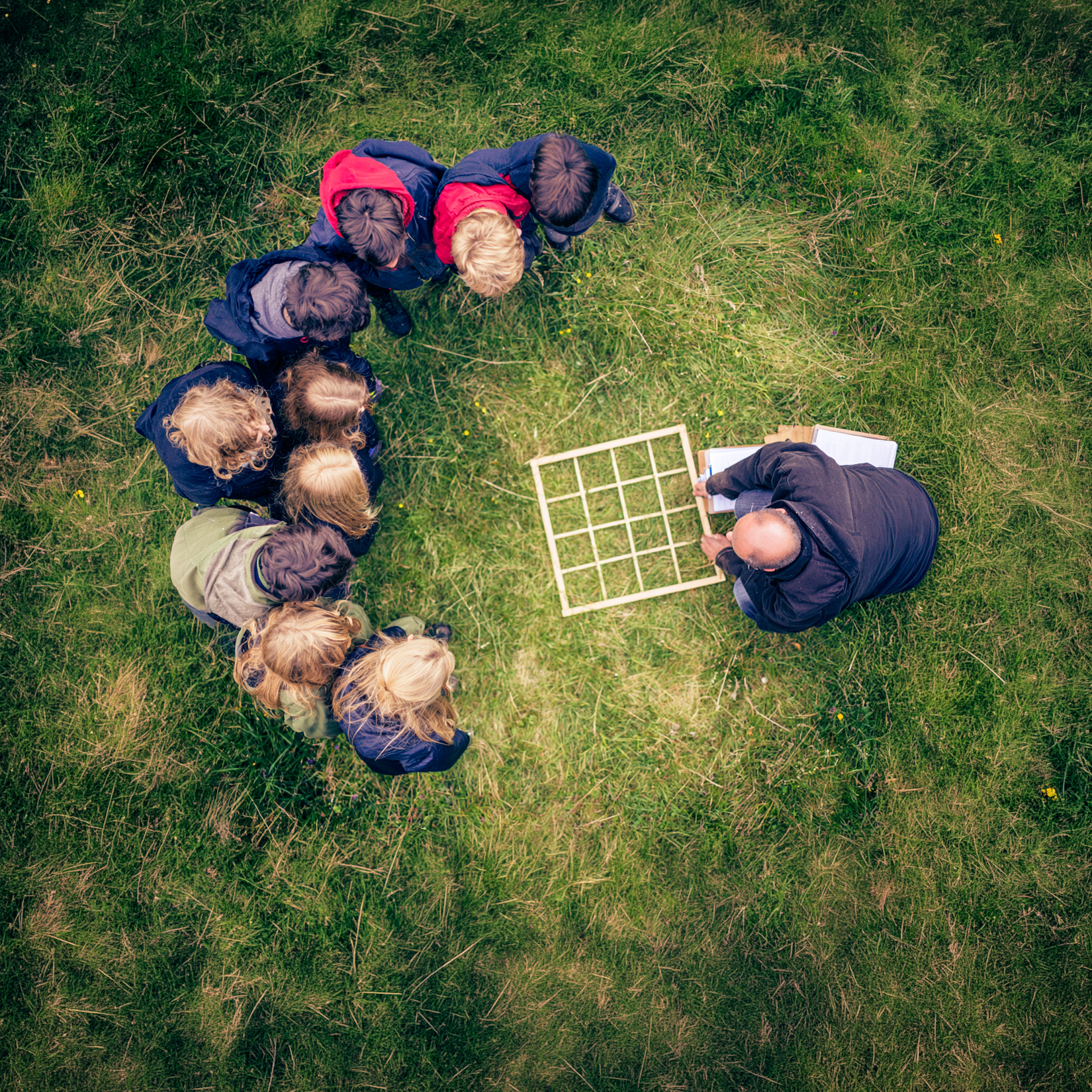
Curriculum — some groups bring an educational focus, others a faith, tradition or community identity, others a skill to practise or an act of service to perform. Usually this runs as sessions led by the group's own leaders alongside our regular activities; sometimes it's woven more closely into the programme itself. Either way, it's planned together with SOEC staff in advance.
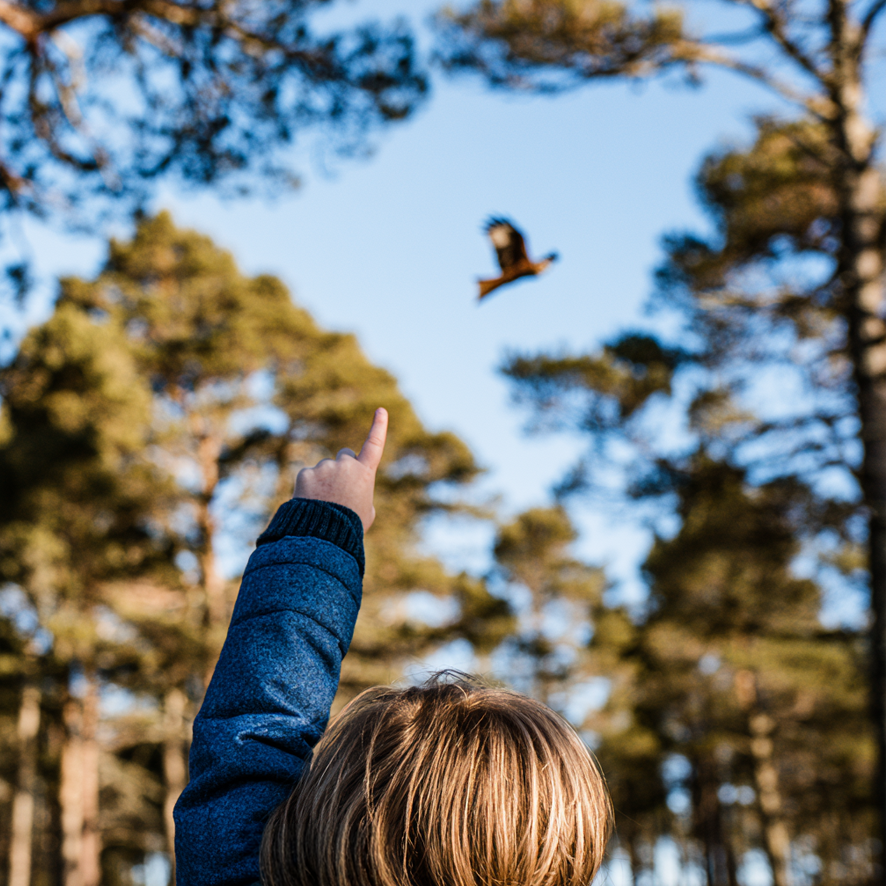
Curveball - it pays off in the outdoors to remain curious and open to what shows up unplanned: the wildlife encounter, the sudden change in weather, the plan that didn't quite work, the unexpected outcome. Some of the best learning happens exactly here, in the moments nobody could have planned for.
Educational theory has a name for this kind of unplanned learning: the emergent curriculum, a concept from the Reggio Emilia approach developed by the Italian educator Loris Malaguzzi, which holds that children's own curiosity and unplanned discoveries are often a more powerful engine for learning than anything an adult could pre-plan.
The planned side has its own evidence too: a major UK review of outdoor learning found that programmes tied clearly to curriculum goals, with proper preparation and follow-up back in the classroom, produced the strongest, most lasting outcomes of all (Fiennes et al., 2015).
The planned side has its own evidence too: a major UK review of outdoor learning found that programmes tied clearly to curriculum goals, with proper preparation and follow-up back in the classroom, produced the strongest, most lasting outcomes of all (Fiennes et al., 2015).

Others
· Communication · Teamwork · Empathy · Co-operation ·
· Compromise · Collaboration · Celebration · Contribution ·
· Compromise · Collaboration · Celebration · Contribution ·
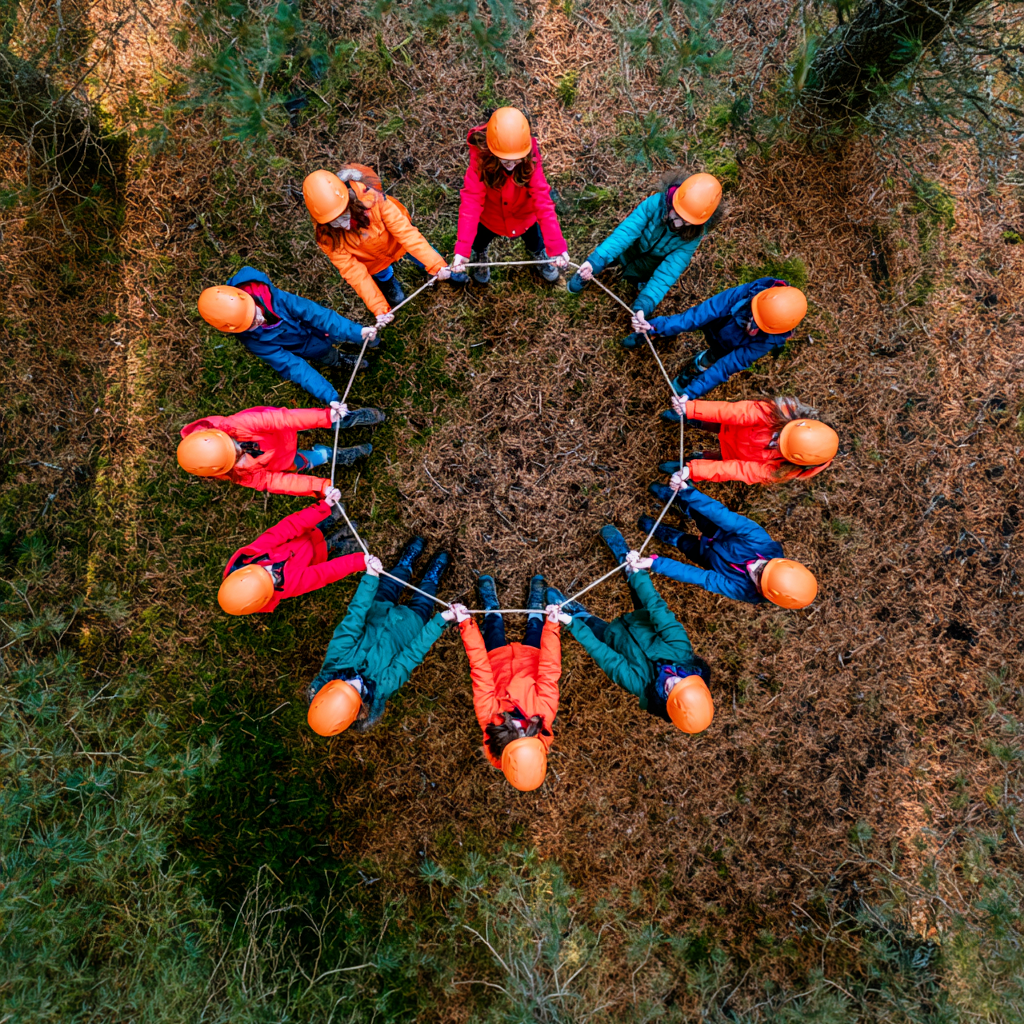
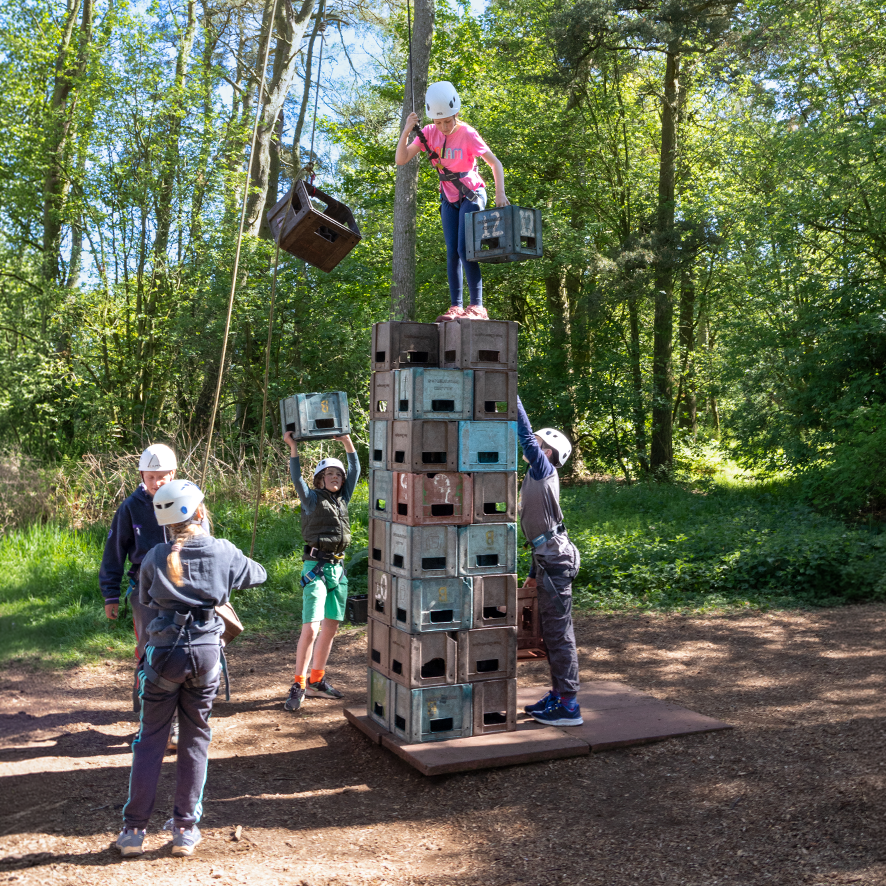
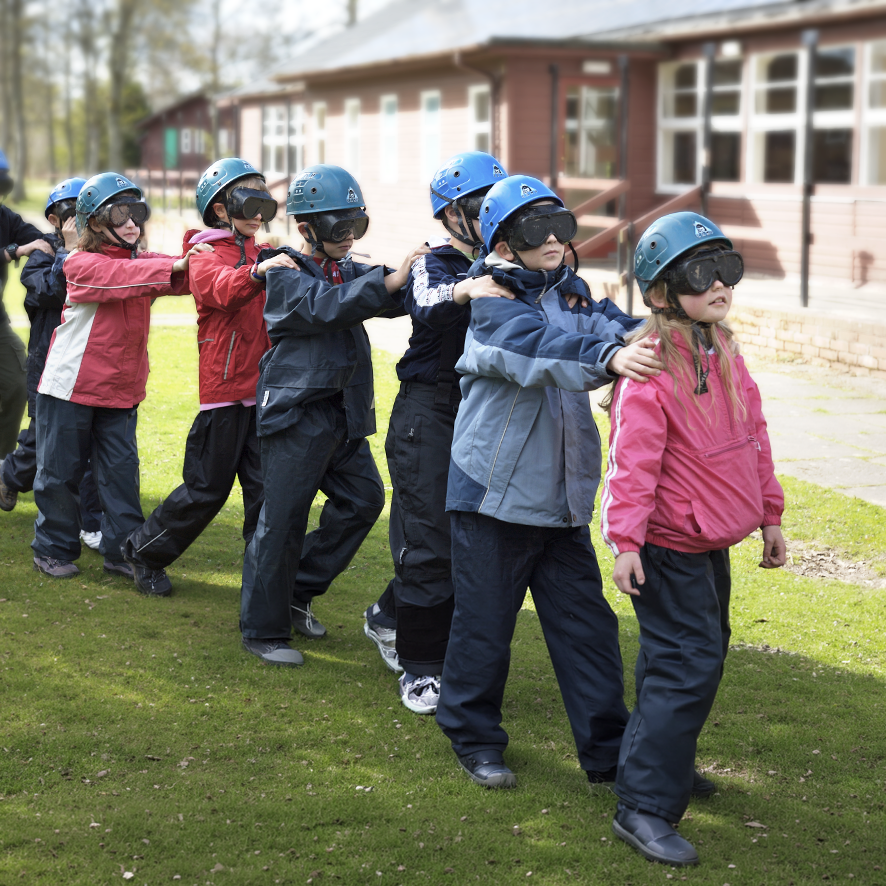
All your activities happen in a group, and that’s not only for social reasons. Skills like empathy, teamwork, and communication have to be learnt with other people - by needing someone else's help, by explaining something clearly under pressure, or by disagreeing about the best way forward and finding it together. Most groups move through a familiar pattern: an early stage of feeling each other out in this new environment, a little friction as everyone finds their place, steadily they build trust, patience and understanding - they discover depths to each other’s characters and abilities they did not know before; and soon enough they are achieving far more together than could ever have been possible alone.
A five-year UK evaluation of residential learning, covering over 12,500 pupils, found that residentials consistently build deeper peer relationships and collaborative behaviour that students carry back into the classroom. The pattern groups move through has its own name in psychology: Bruce Tuckman's model of group development describes teams progressing through "forming, storming, norming and performing" — a journey a few intensive days together tend to compress into a fraction of the usual time.


Environment
· Awareness · Connection · Appreciation · Care ·
· Responsibility · Stewardship · Advocacy ·
· Responsibility · Stewardship · Advocacy ·
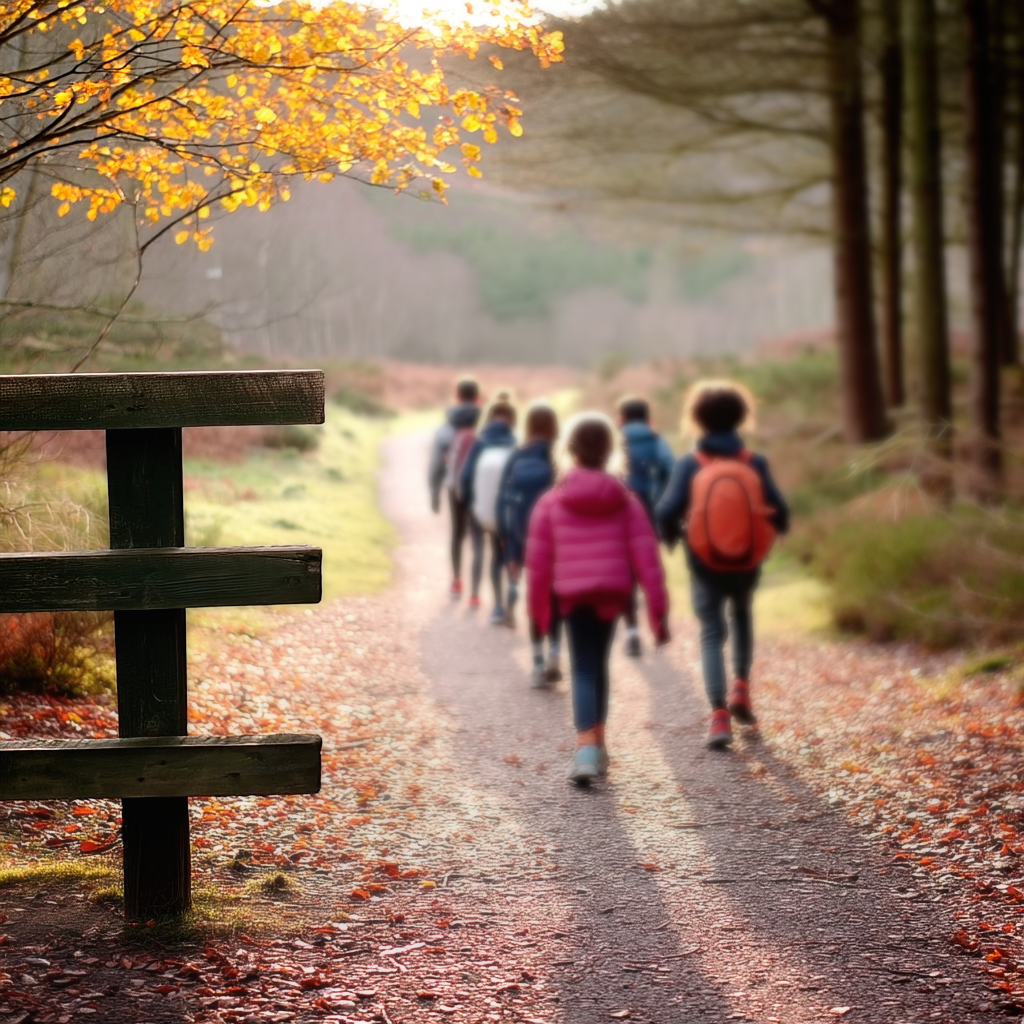
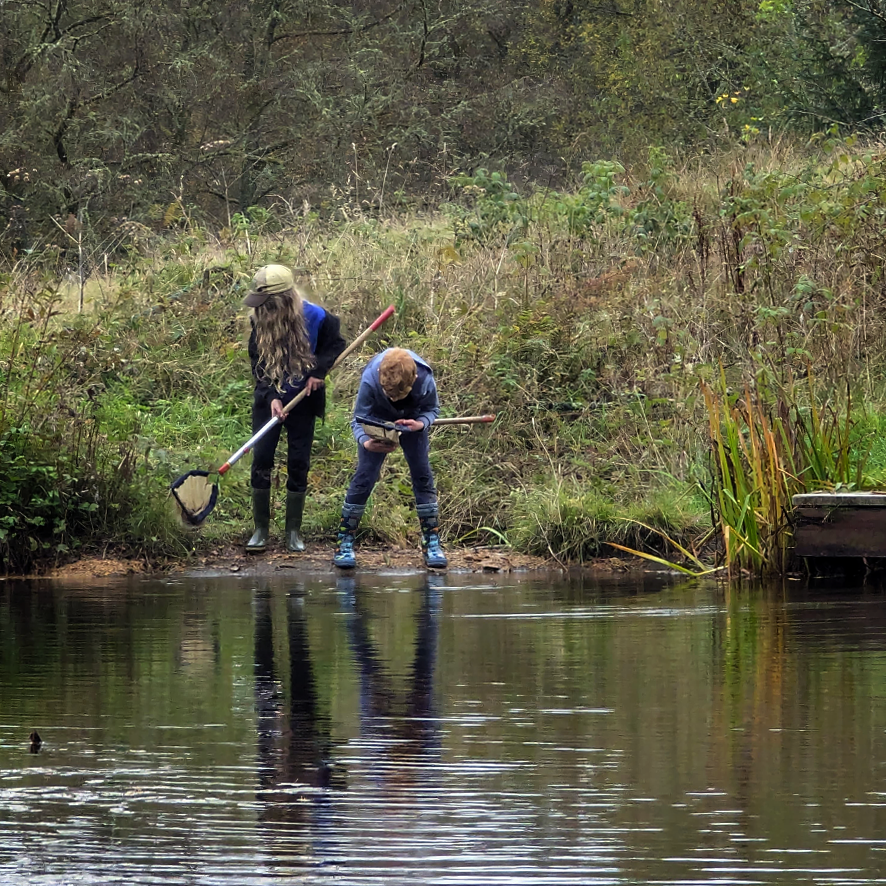
Your activities at SOEC take place in some of Scotland's most beautiful natural landscapes, and our role includes helping you to notice that, not just pass through it. Time outdoors away from screens and structured indoor tasks tends to leave people calmer and better able to concentrate afterwards, but also more connected to the natural world that is our home and the inheritance of every generation before and after us. Appreciation, awareness, responsibility and care for the environment are hard to learn from a book or screen, but hard to avoid when you are out there, having an adventure and discovering the richness of experience that comes from a genuinely memorable day spent outdoors.
Researchers at the University of Derby's Nature Connectedness Research Group reviewed 50 studies covering over 16,000 people, and found that a stronger connection to nature is linked to greater wellbeing and personal growth. A second, separate strand of research on the more immediate effect — psychologists Rachel and Stephen Kaplan's Attention Restoration Theory — found that sustained focus on tasks and screens tires out a specific kind of attention, and that time in a natural setting is one of the most effective ways to let it recover.
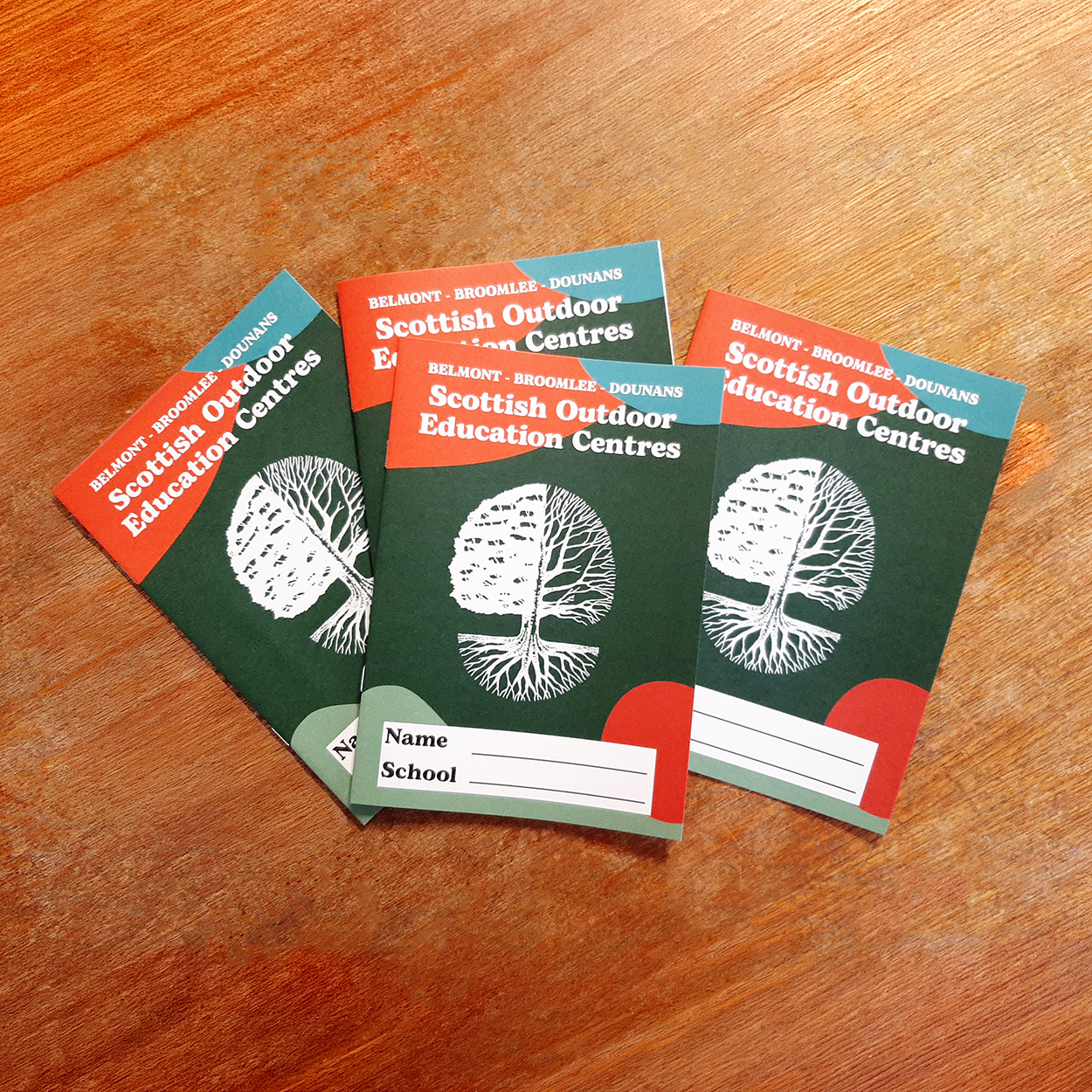
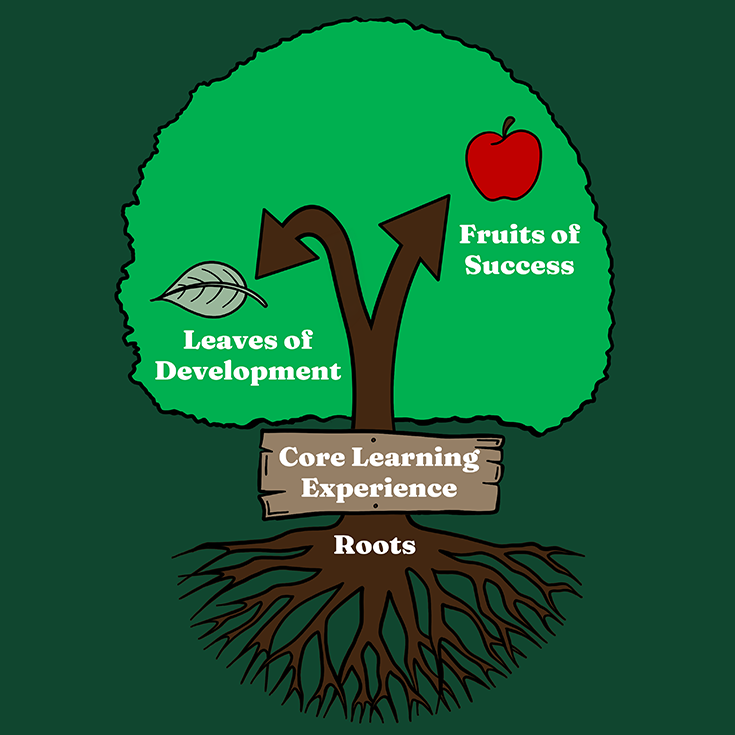
Our SOEC tree logo shows bare branches on one side gradually filling with leaves on the other. It's a picture of the growth we hope every young person who spends time at one of our centres experiences: arriving as they are, and growing, session by session, into a more complete and mature version of themselves. The four stages of learning that we aim to facilitate each session are mapped out below.
Our SOEC tree logo shows bare branches on one side gradually filling with leaves on the other. It's a picture of the growth we hope every young person who spends time at one of our centres experiences: arriving as they are, and growing, session by session, into a more complete and mature version of themselves. The four stages of learning that we aim to facilitate each session are mapped out below.

Roots
· Setting the Scene · "Roots" to Success · Support Structure ·
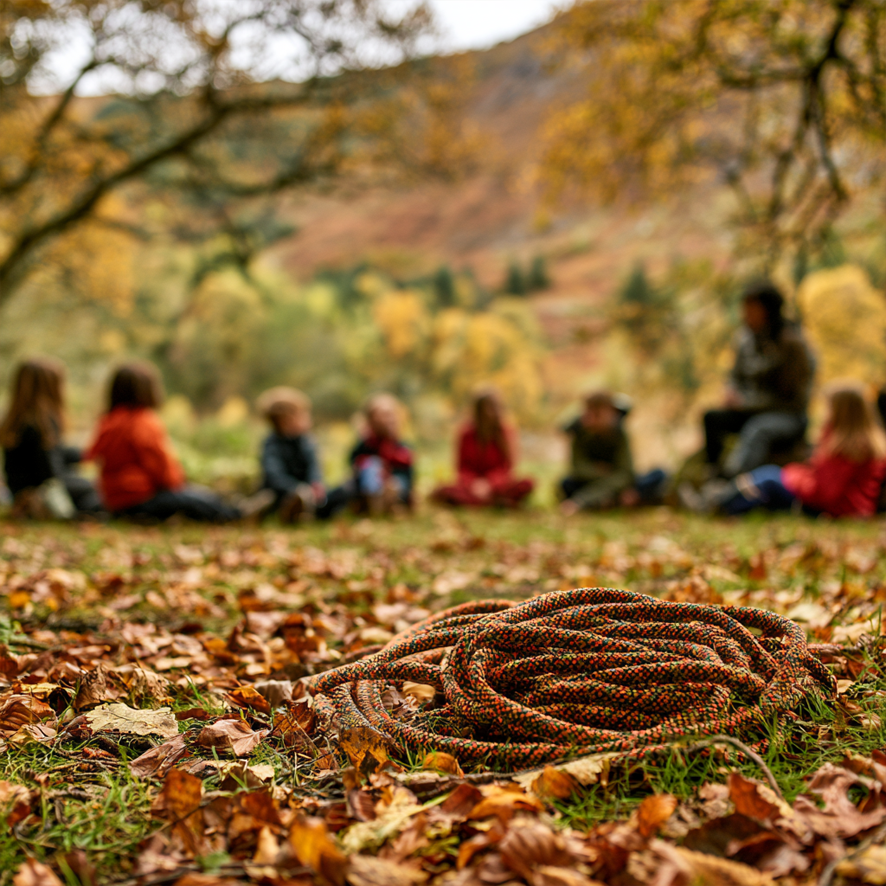
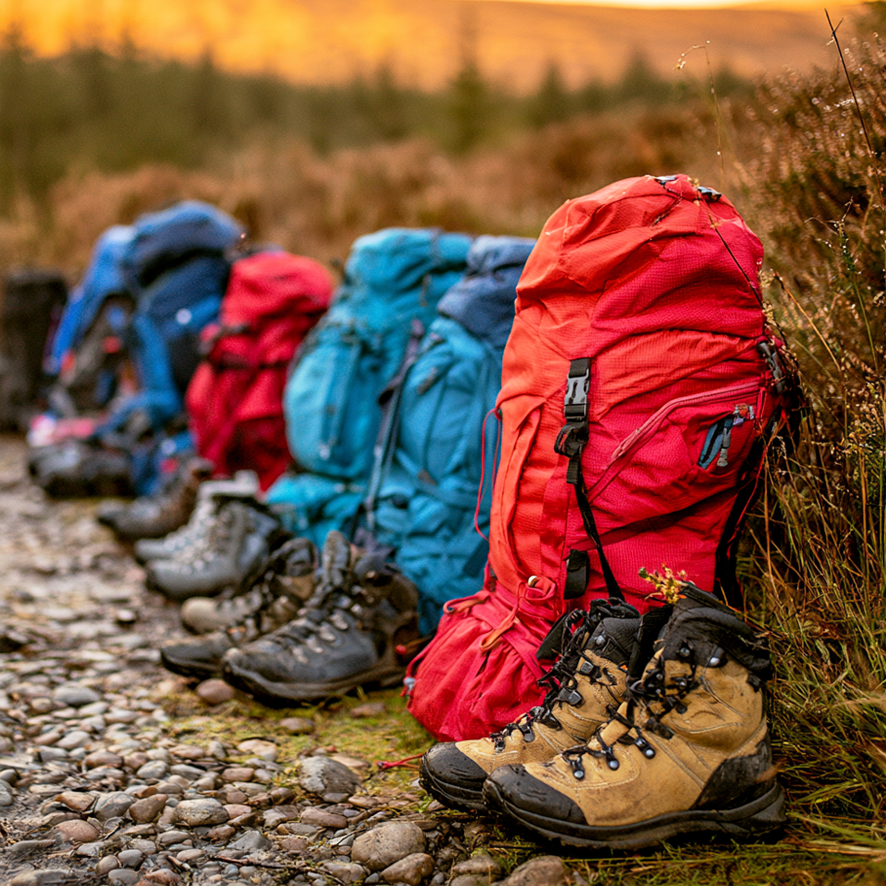
Taking risks and trying new things is a lot easier when you feel safe first, so every SOEC programme begins with building trust. We also use well-chosen questions, games and challenges to set up the learning that is coming, which helps the group arrive at the main activity already thinking along the right lines. Before Nightline, for instance, groups often play Bats and Moths — a blindfolded "bat" hunts an unblindfolded "moth" by sound alone — a playful way to get used to moving by sound and noticing the people nearby, before any of that matters for real.
Psychologist John Bowlby's work on the "secure base" found that people, especially young people, explore and take risks confidently only when they have a stable, trusted point to return to.
Psychologist David Ausubel's "advance organiser" research found that introducing an idea before teaching it helps a learner connect new material to what they already know, making it stick far better.
Psychologist David Ausubel's "advance organiser" research found that introducing an idea before teaching it helps a learner connect new material to what they already know, making it stick far better.


Core Learning Experience
· The Main Activity · Challenge By Choice ·
· Experiences of Self Development, Working with Others, Environmental Learning and explicit Curriculum links ·
· Experiences of Self Development, Working with Others, Environmental Learning and explicit Curriculum links ·
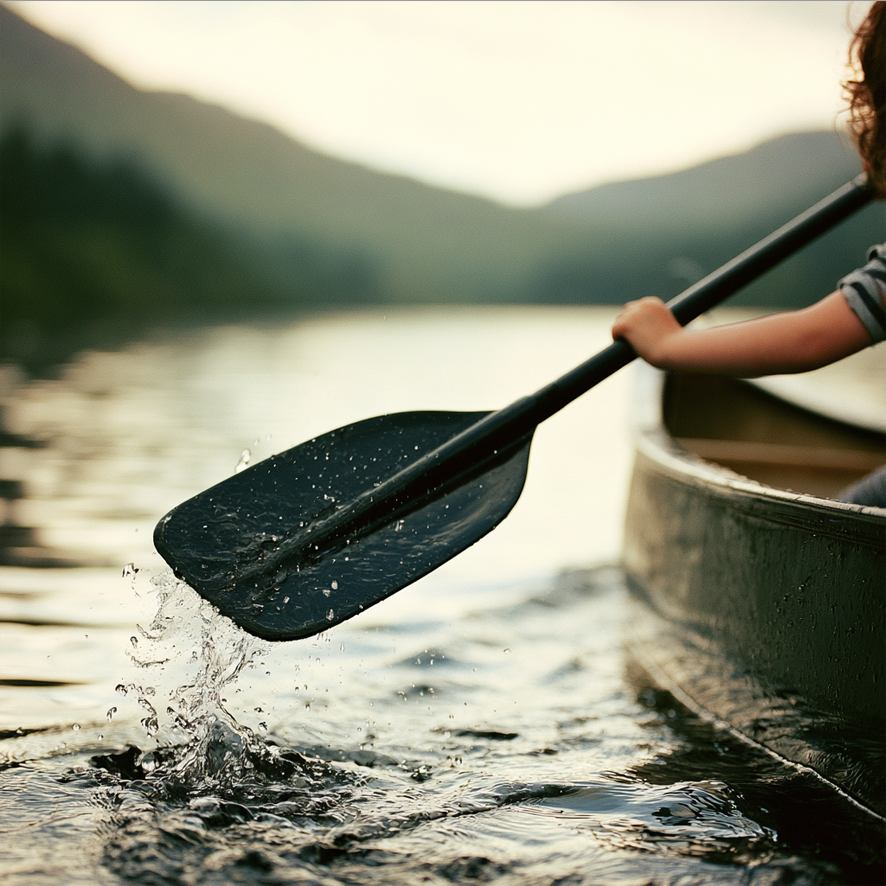
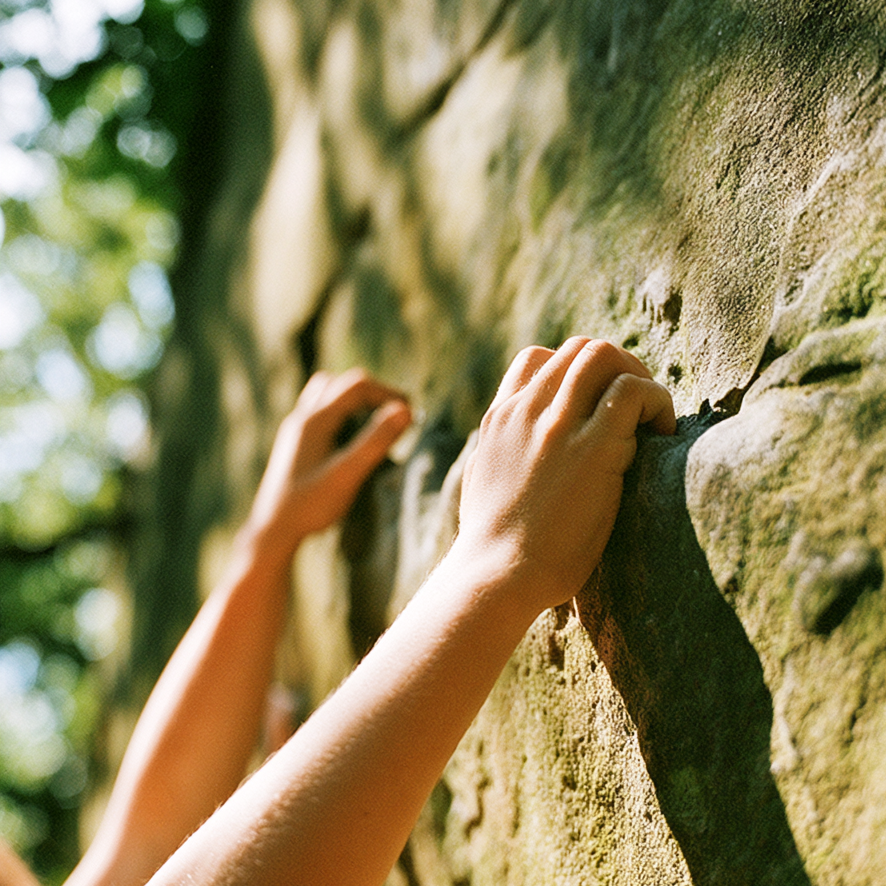
Learning is not supposed to be easy. The best learning happens beyond your comfort zone, but not so far that you enter your panic zone: feeling out of your depth is fine, but we don’t want you to feel in over your head. When it comes to danger, the activity needs to be challenging enough to require real effort, focus and courage, and yet you need to have confidence that the risks are well managed so you can hold your nerve, knowing you are never in real danger. We are very aware that people’s comfort or panic zones differ. Each activity is designed to be adaptable, so tutors tailor the balance of challenge to the group in front of them, and to each individual within it. Before activities, the group will assess the risks for themselves — what could go wrong, what's already in place to manage it, what else might help — turning safety into something the group works out together, always overseen by a tutor. This same principle sits behind Challenge By Choice, which you'll see running through every activity.
Psychologists Robert Yerkes and John Dodson showed, as far back as 1908, that performance follows an arc: it rises with pressure up to a point, then falls away if the pressure gets too great — the basis of what's often called the "comfort, stretch and panic zone" model, or the Yerkes-Dodson Law. There's also specific research on children assessing risk for themselves: Norwegian researcher Ellen Sandseter's work on "risky play" found that children given the chance to identify and manage age-appropriate risk develop stronger risk judgement over time, rather than simply becoming more reckless.

Leaves of Development
· An Area for Development · Something that could be Improved · A Lesson to Remember Next Time ·
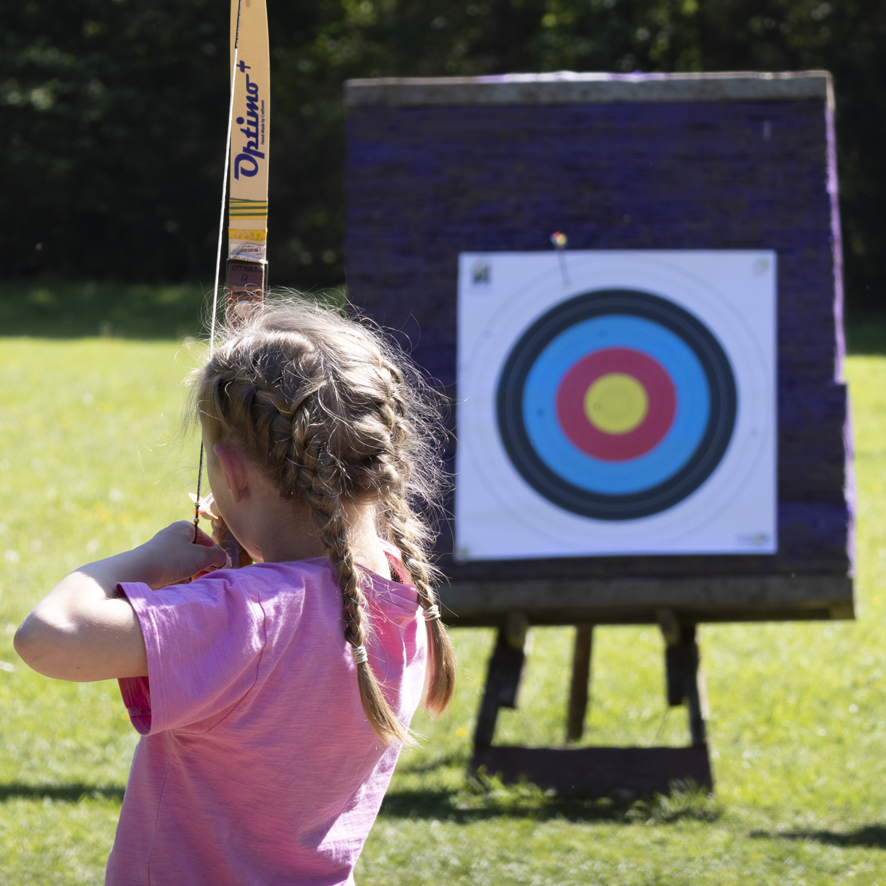
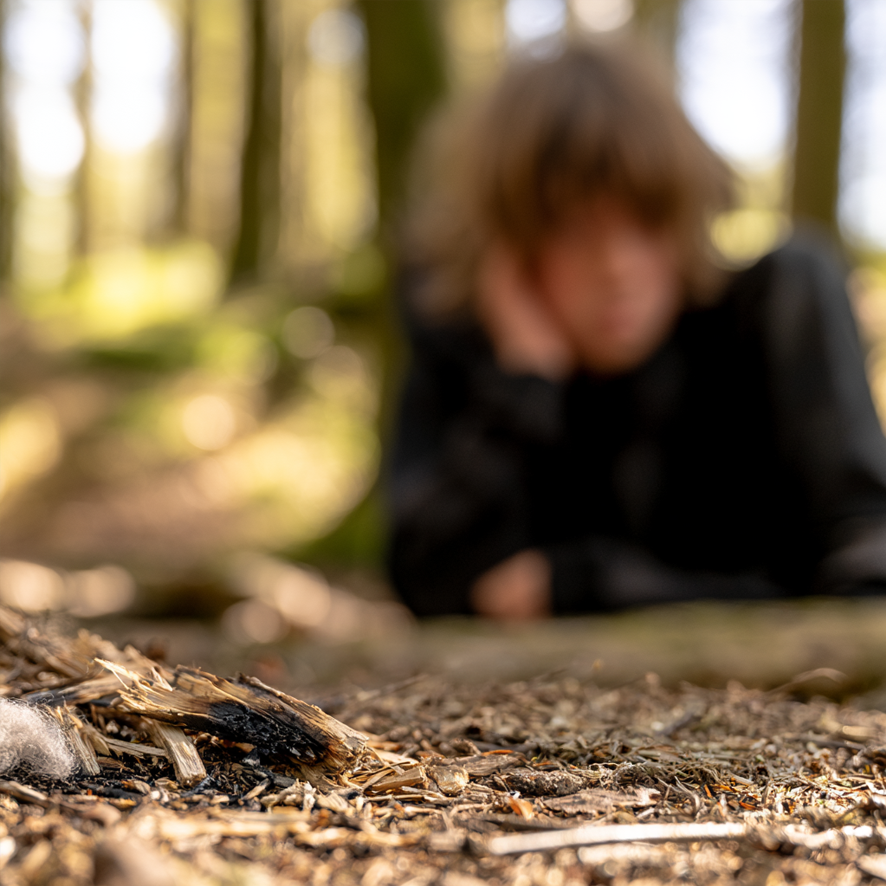
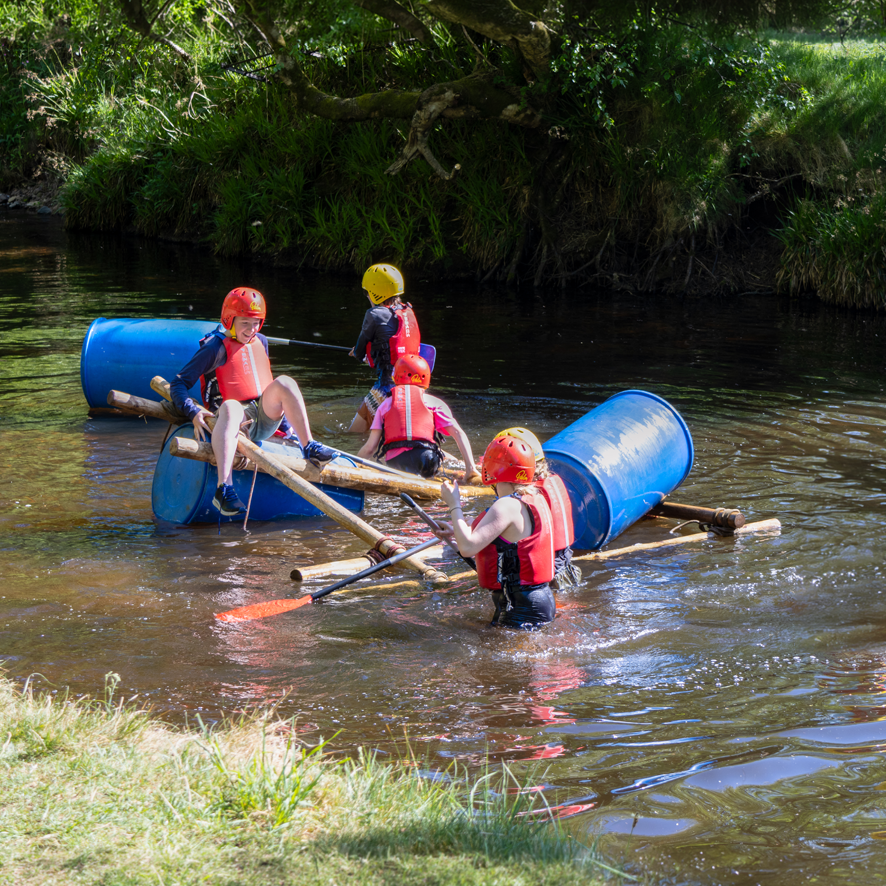
Not every session goes perfectly, which is what we expect if we are truly pushing ourselves to take risks and try new things. How we make sense of and respond to a setback matters more than the setback itself. A young person who sees a difficulty as something they haven't mastered yet, rather than proof of what they can't do, tends to keep trying for longer, take on harder things next time, and bounce back faster. Our tutors deliberately build this kind of honest reflection into every session, not just naming the successes, but also identifying what did not go well and what we need to keep working on — framing struggle as "not yet" rather than failure.
This is exactly what Carol Dweck's decades of research on "growth mindset" would predict: young people taught to reframe failure using language like "not yet" show greater persistence and recover faster from setbacks than those who treat failure as final.



Fruits of Success
· A Personal or Group Achievement from the Programme · Discovering a new Skill or Quality in Ourselves · Discovering a new Skill or Quality in Someone Else ·
Alongside every area for development, there's something to celebrate, whether we achieved our original goal or not. And how an achievement gets recognised can sometimes matter as much as the achievement itself. A specific, genuine success that a young person has earned for themselves builds real self-belief far more powerfully than a general "well done." Our tutors name specific, genuine achievements clearly, in the moment — and just as important, they help participants learn to spot and celebrate success in each other, not only their own.
Psychologist Albert Bandura's influential research on self-belief found that direct personal success is the strongest, most durable source of confidence — stronger than praise or watching someone else succeed, because it can't be easily dismissed or explained away.
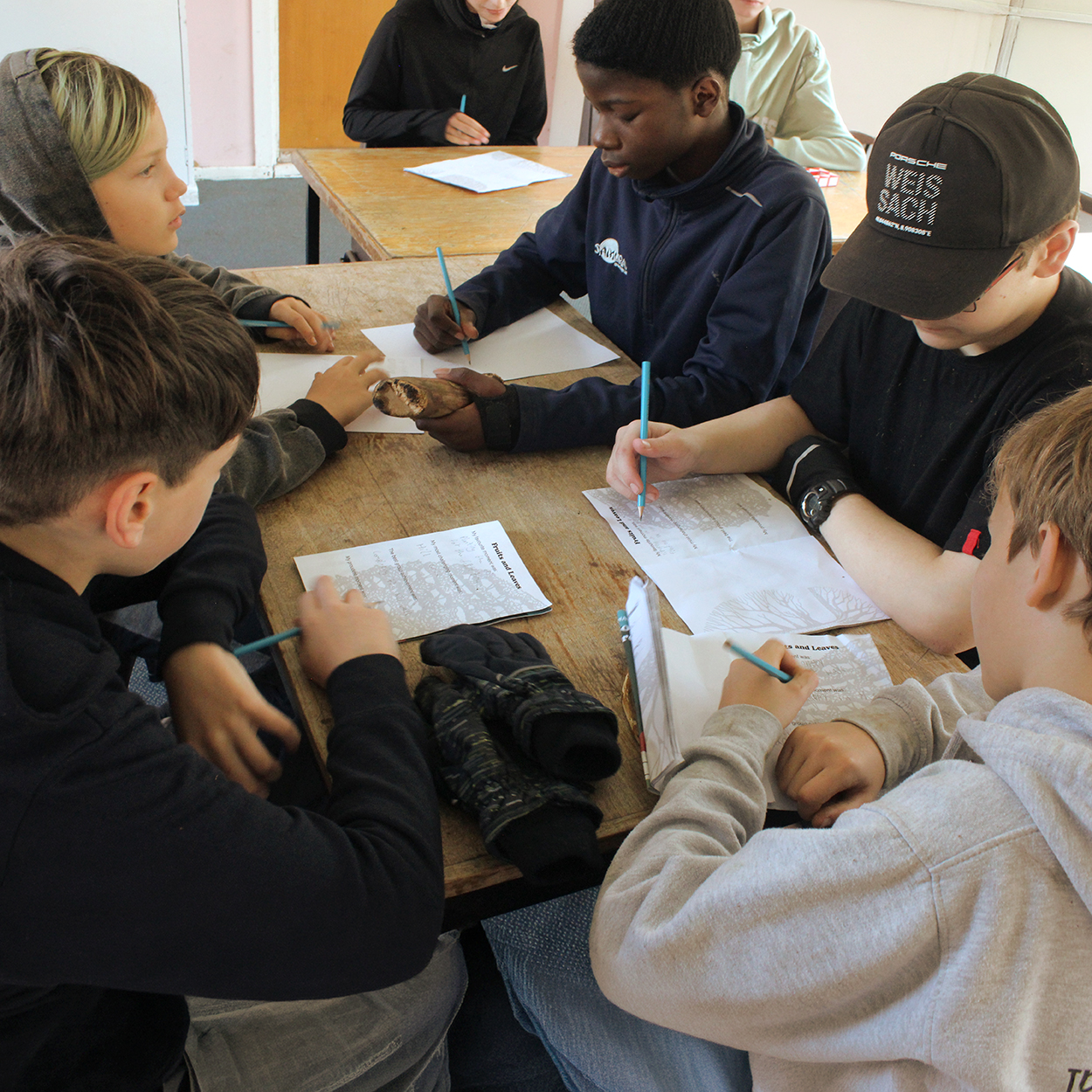
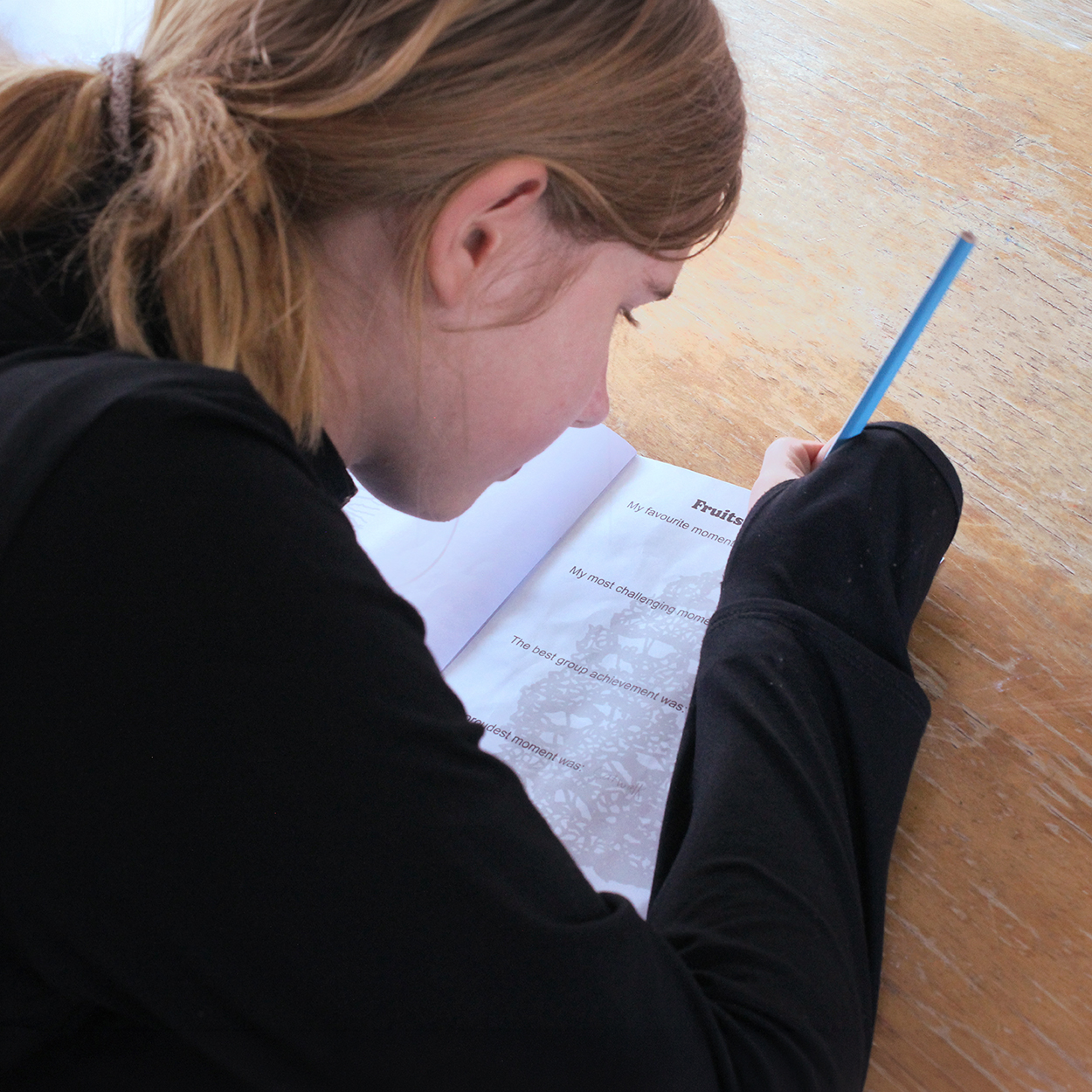
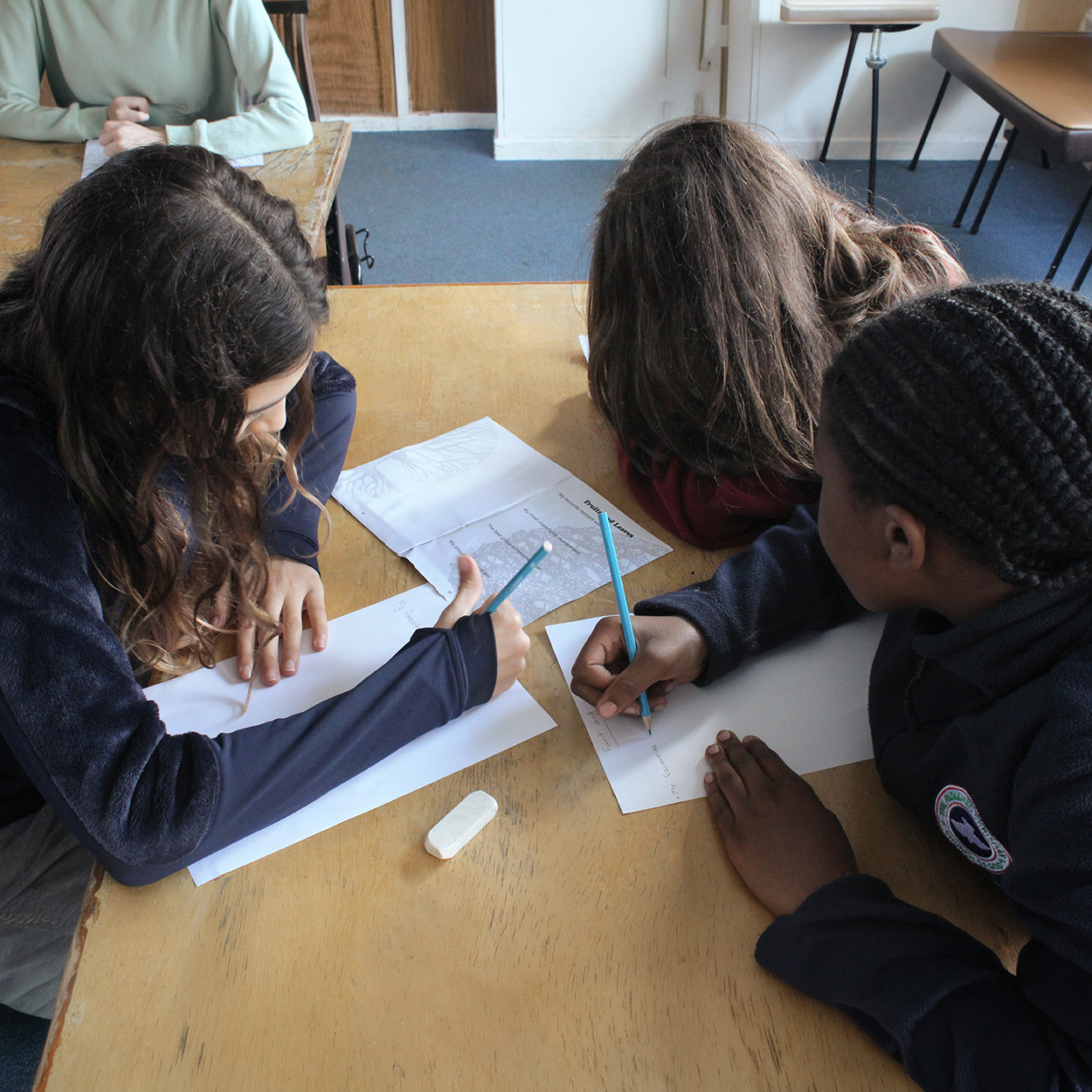
Aligned to these learning models are SOEC’s Learning Journals. These are given to participants to help them note their Learning Journey and allow for the transfer of learning back in the school or other setting. It is important that these learning experiences are not viewed as a “one off”, but rather part of participants’ wider learning and development.
Aligned to these learning models are SOEC’s Learning Journals. These are given to participants to help them note their Learning Journey and allow for the transfer of learning back in the school or other setting. It is important that these learning experiences are not viewed as a “one off”, but rather part of participants’ wider learning and development.